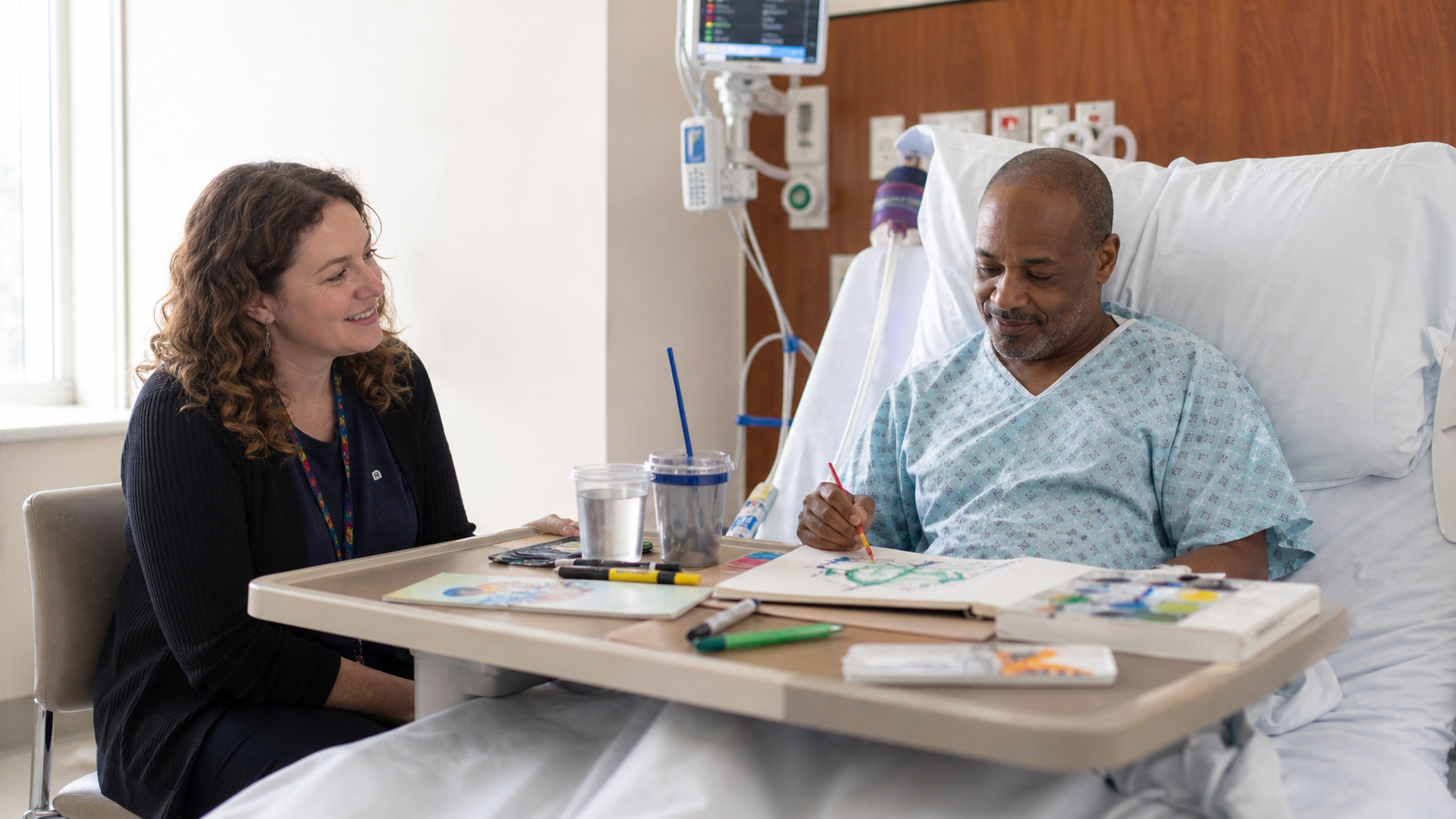
Building Arts in Medicine programs that connect care, environment, learning, and human flourishing.
Arts in Medicine is strongest when it moves beyond decoration and becomes part of how care is experienced, taught, and supported. My work helps museums, hospitals, medical schools, and health systems design arts-based programs that serve patients, families, staff, and learners with clarity, rigor, and care. Developed with curator Laura Steward, the Neuroaesthetic Care Environment Framework guides this work by asking what art should do in a given healthcare setting, for whom, and how its impact can be understood with seriousness.
Reach out here to learn more about the Neuroaesthetic Care Environment Framework.

What should art do here?
Every healthcare environment asks something different of art. A pediatric unit, cancer center, staff respite room, waiting area, medical school, and public lobby all carry different emotional, clinical, and social needs. This framework helps institutions define a clear purpose for art before selecting objects, commissioning artists, or designing programs.
Whose experience should shape the work?
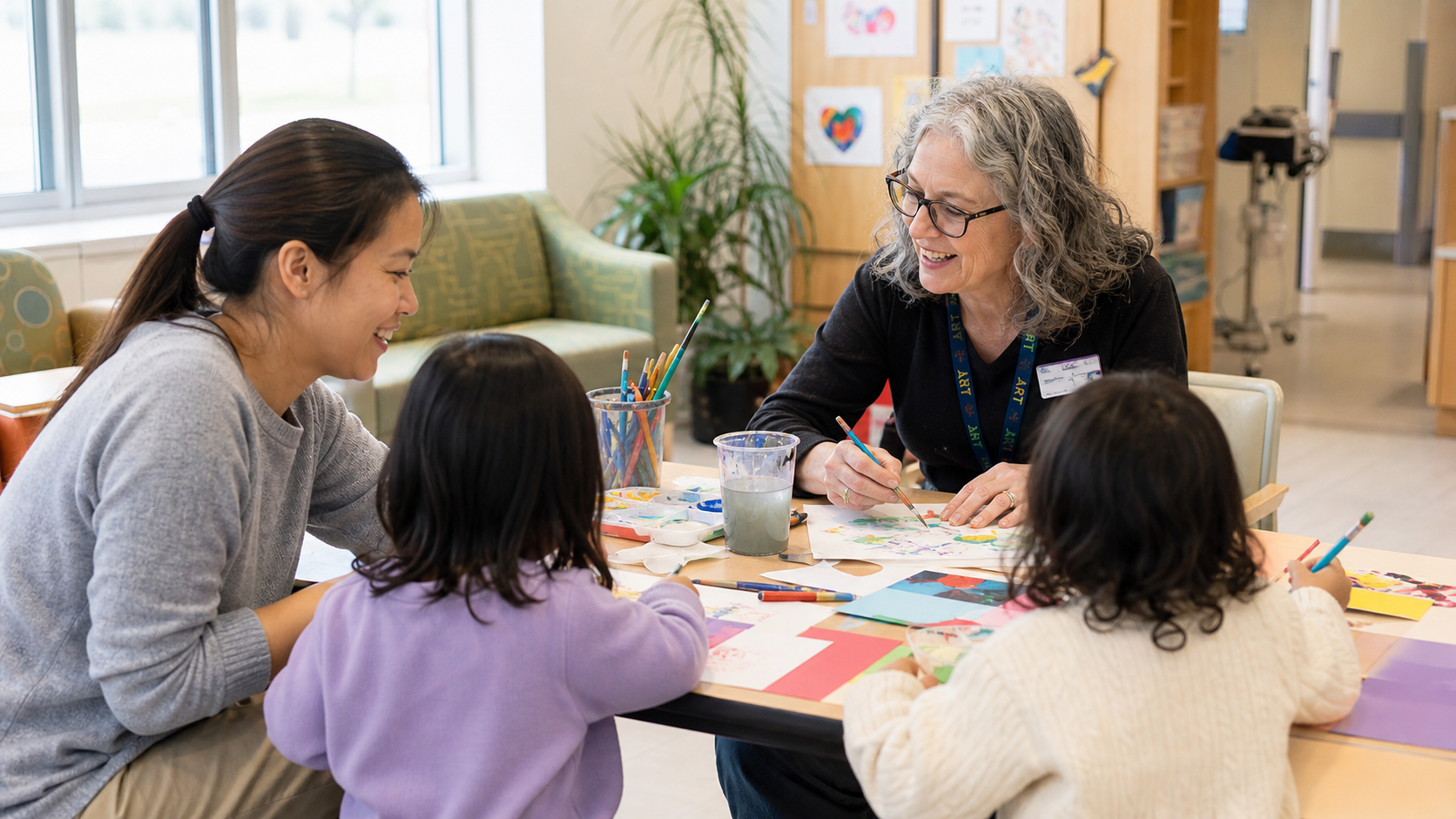
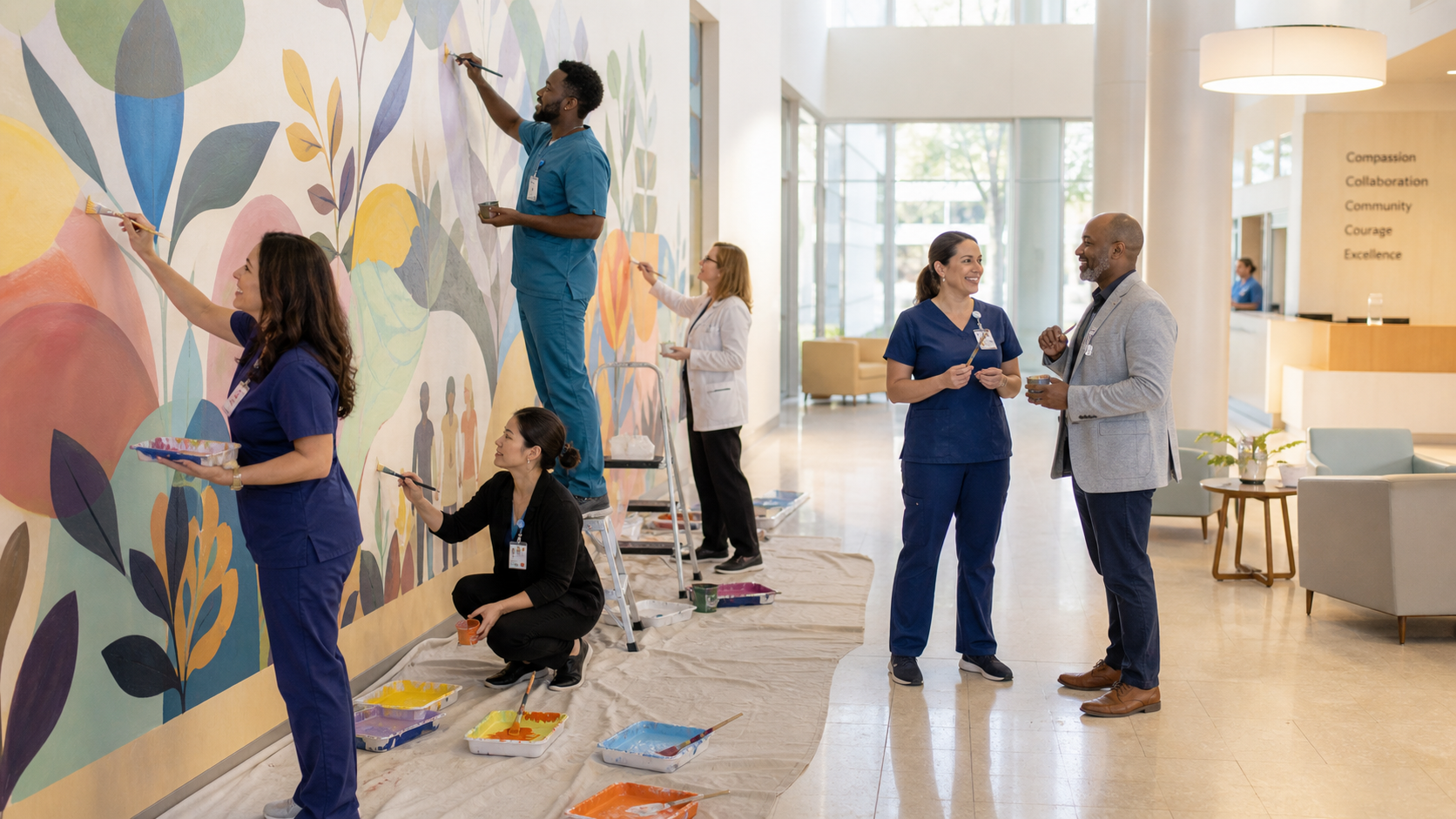
Strong Arts in Medicine programs begin with the voices of patients, families, clinicians, caregivers, and staff. Patient voice projects, staff storytelling, artist-in-residence programs, and collaborative artmaking can reveal what people need from a care environment and how they want to be seen within it.
How will the work be activated and evaluated?
Art has to be interpreted, supported, and measured. This approach connects artwork selection with facilitation, artist engagement, staff training, visitor experience, patient and staff satisfaction, and relevant care environment measures, including HCAHPS when appropriate. The goal is not simply to place art in a hospital. The goal is to make art part of how care is felt, understood, and sustained.